Are you passionate about writing and looking to earn money from the comfort of your own home? If so, “Paid Freelance Writing” is the perfect avenue for you to explore. This article will provide you with valuable insights into the world of freelance writing and how you can get paid for your words. From finding lucrative writing gigs to tips on maximizing your earnings, this article will equip you with the knowledge and tools needed to embark on a successful freelance writing career. Whether you’re a seasoned writer or just starting out, get ready to unlock the potential of your words and turn your passion into a profitable venture.

Benefits of Paid Freelance Writing
Flexible Schedule
One of the greatest advantages of paid freelance writing is the flexibility it offers in terms of scheduling. As a freelance writer, you have the freedom to choose when and where you work. Whether you’re a night owl or an early riser, you can set your own hours and work at your own pace. This flexibility allows you to balance your work with other commitments, such as family, hobbies, or even another job.
Opportunity for Growth
Paid freelance writing provides endless opportunities for personal and professional growth. With each new project, you can expand your knowledge and expertise in different industries and writing styles. Additionally, freelancing allows you to build a diverse portfolio, showcasing your skills to potential clients. As you gain more experience and expertise, you can command higher rates and attract more lucrative clients.
Higher Earnings
Unlike traditional employment, where your earnings are often limited by a fixed salary, paid freelance writing allows you to determine your own income potential. As a freelancer, you have the ability to set your rates based on your experience, level of expertise, and the complexity of the project. This means that as you become more successful and in-demand, you can increase your rates and earn a higher income. Freelancing also opens up opportunities for additional income streams, such as royalties from published works or affiliate marketing.
Varied Writing Projects
One of the most exciting aspects of paid freelance writing is the chance to work on a variety of projects. Whether you enjoy writing blog posts, articles, website copy, or even ebooks, there are endless opportunities to showcase your skills in different formats. This variety not only keeps your work interesting and engaging, but it also allows you to continually refine and expand your writing abilities. With such a range of projects to choose from, you can explore different industries and niches and never feel stuck in a creative rut.
Finding Freelance Writing Opportunities
Freelancing Platforms
One of the most popular ways to find freelance writing opportunities is by utilizing freelancing platforms. Websites like Upwork, Freelancer, and Fiverr connect freelancers with clients from all over the world. These platforms offer a wide range of writing projects, allowing you to find opportunities that align with your skills and interests. By creating a compelling profile and submitting strong proposals, you can attract clients and secure regular work through these platforms.
Content Mills
While content mills may not offer the highest-paying gigs, they can be a great starting point for freelance writers looking to gain experience and build their portfolio. Content mills are websites that connect writers with clients who need content quickly and at a low cost. Although the pay may be lower compared to other freelance opportunities, content mills offer a steady stream of work and can be a good way to practice writing and improve your skills. Some popular content mills include Textbroker and WriterAccess.
Networking
Networking is a powerful tool for finding freelance writing opportunities. By reaching out to friends, family, colleagues, and other writers, you can tap into a network of potential clients and referrals. Attend industry conferences, join writing groups, and participate in online forums to connect with individuals who may be in need of freelance writers. By establishing meaningful relationships and showcasing your expertise, you can open up doors to exciting opportunities that may not be advertised elsewhere.
Job Boards
Job boards are another excellent resource for finding freelance writing opportunities. Websites like ProBlogger, Freelance Writing Jobs, and Remote.co specialize in curating and posting freelance writing gigs from various industries. These job boards often feature a wide range of writing projects, including content creation, ghostwriting, copywriting, and more. By regularly checking job boards and submitting well-crafted applications, you can discover new and exciting projects that match your skills and interests.

Effective Ways to Market Yourself as a Freelance Writer
Creating an Impressive Portfolio
A well-crafted portfolio is a key tool for marketing yourself as a freelance writer. Your portfolio should showcase your best work and highlight your skills in a visually appealing and organized manner. Include a variety of writing samples that demonstrate your ability to adapt to different styles and industries. If you’re just starting out and don’t have many published pieces, consider creating sample pieces that demonstrate your abilities. Make sure to update your portfolio regularly and consider showcasing it on your website for easy access.
Building a Professional Website
A professional website is essential for establishing a strong online presence as a freelance writer. Your website should include an about page, services offered, writing samples, testimonials, and contact information. Ensure that your website is visually appealing, easy to navigate, and highlights your unique skills and expertise. Additionally, consider starting a blog on your website to showcase your writing style and provide valuable content related to your niche. A well-designed and informative website can attract potential clients and leave a lasting impression.
Optimizing Social Media Presence
Social media can be a powerful tool for marketing yourself as a freelance writer. Utilize platforms like LinkedIn, Twitter, Instagram, and Facebook to showcase your writing skills, share industry insights, and engage with potential clients. Create a professional profile on LinkedIn, focusing on your experience, skills, and accomplishments. Share relevant articles and writing samples on your social media channels to demonstrate your expertise and attract followers who may be interested in your services. Engage with your audience by responding to comments and participating in discussions, building a strong online presence that showcases your knowledge and professionalism.
Networking with Peers
Networking with other freelance writers can provide valuable support and lead to potential opportunities. Join online communities and forums dedicated to freelance writing where you can connect with like-minded individuals, share tips and resources, and potentially collaborate on projects. Attend writing conferences and workshops where you can meet industry professionals and make connections that can lead to referrals or job offers. By actively engaging in networking opportunities, you can expand your professional network and open doors to new and exciting freelance writing opportunities.
Understanding Freelance Writing Rates
Determining an Hourly Rate
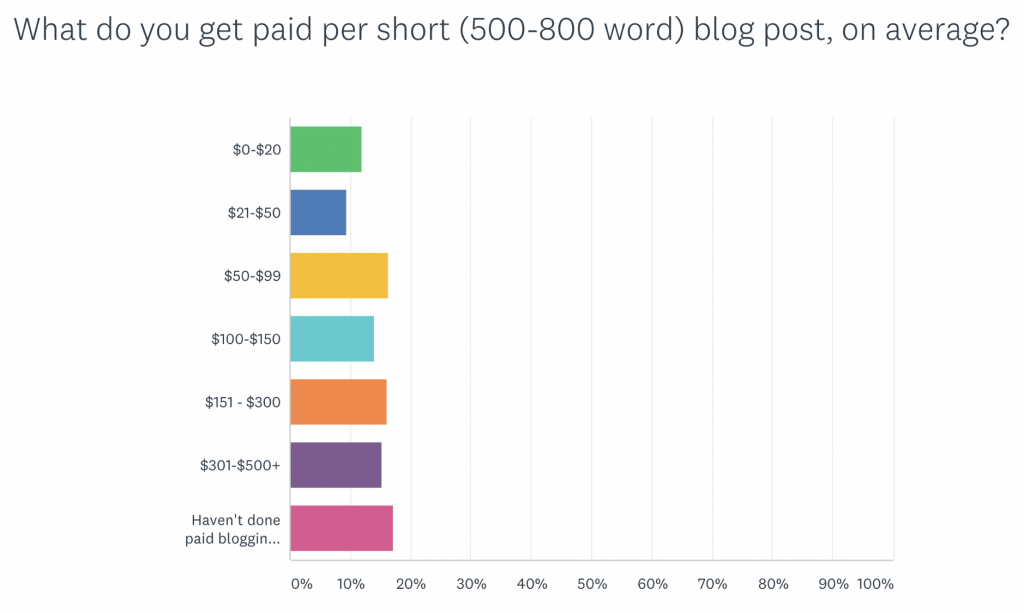
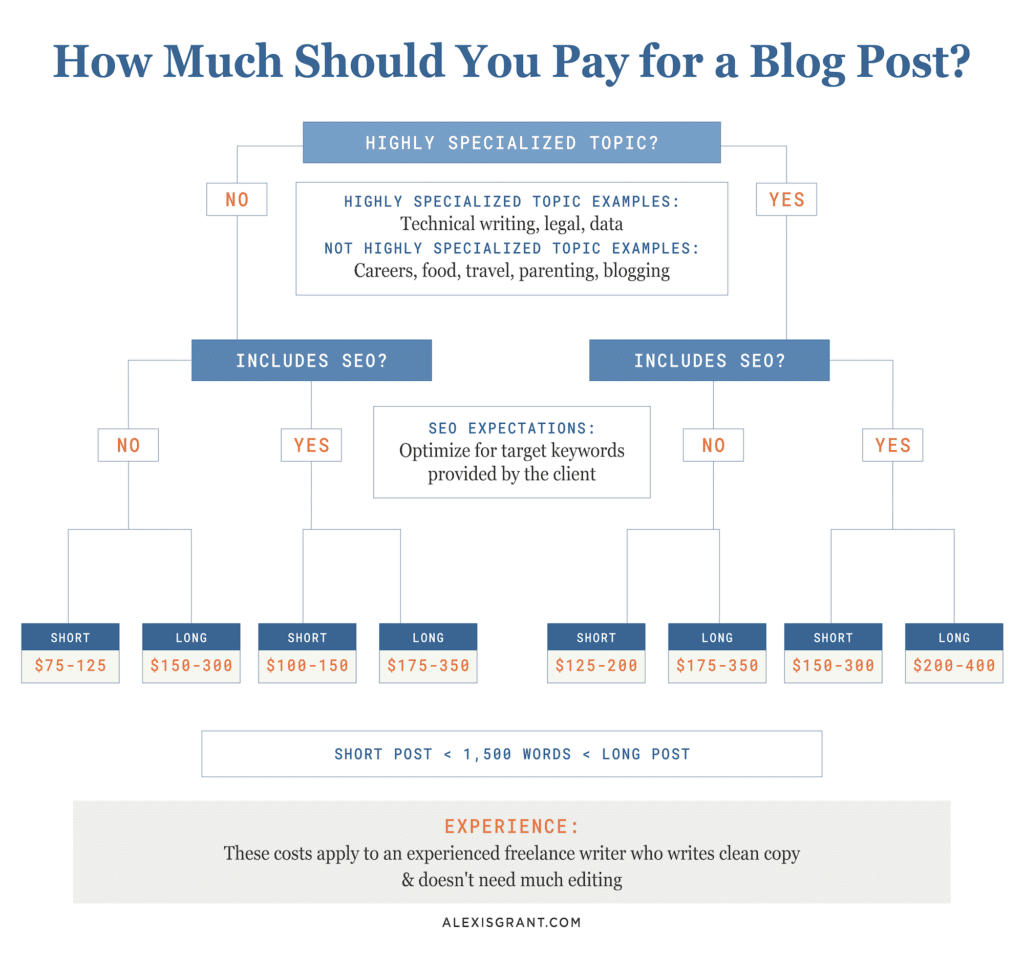
One of the first steps in establishing your freelance writing rates is determining an hourly rate that accurately reflects your skills and experience. Consider factors such as your desired annual income, the time required to complete a project, and any additional expenses or overhead costs. Research industry standards and compare your rates with other freelance writers with similar experience levels. Adjust your rates accordingly to ensure you are being compensated fairly for your time and expertise.
Setting Project-Based Rates
In addition to hourly rates, freelance writers often charge project-based rates for larger or more complex assignments. When setting project-based rates, consider the scope of the project, the estimated time required, and the level of expertise needed. Take into account any research or interviews necessary to complete the project. Ensure that your rates cover not only the time spent on writing but also any additional tasks such as revisions, editing, or formatting. Clearly outline your rates and terms in your proposals and contracts to avoid confusion and ensure fair compensation.
Negotiating Payment Terms
Freelance writers often have the flexibility to negotiate payment terms with clients. Discuss payment preferences upfront and clearly outline payment schedules and methods in your contracts. Consider asking for a portion of the payment upfront or setting milestones for payment based on project progress. Set clear expectations and deadlines for payment to avoid any misunderstandings or delays. Be open to negotiation, but also ensure that the terms you agree upon are fair and mutually beneficial.
Avoiding Low-Paying Gigs
While it can be tempting to accept low-paying gigs when starting out, it’s important to avoid undervaluing your skills and expertise. Low-paying gigs can be time-consuming and may not provide opportunities for growth or professional development. Focus on finding clients who understand the value of quality writing and are willing to pay fair rates. By setting your rates based on your experience and expertise, you can attract clients who appreciate your work and are willing to invest in your services.
Important Skills for Freelance Writers
Excellent Writing Skills
As a freelance writer, having excellent writing skills is a fundamental requirement. Strong grammar, vocabulary, and storytelling abilities are essential for producing high-quality content that captivates and engages readers. Continually hone your writing skills by reading and studying a variety of genres and participating in writing workshops or classes. Invest time in researching and practicing different writing styles to expand your repertoire and enhance your writing abilities.
Research and Fact-Checking Abilities
Research and fact-checking skills are crucial for freelance writers, as they provide the foundation for accurate and reliable content. Develop effective research strategies and know how to evaluate and verify sources to ensure the information you include in your writing is factual and up-to-date. Familiarize yourself with reliable research tools and consider creating a reference library or database to streamline your research process. Thoroughly fact-check your work before submitting it to clients, maintaining your reputation as a trustworthy and reliable writer.
Time Management Skills
Effective time management is essential for success as a freelance writer. Balancing multiple projects, deadlines, and client expectations requires excellent organizational skills and the ability to prioritize tasks. Create a schedule that allows for focused writing time and stick to it. Break down projects into manageable tasks and set realistic deadlines for each. Utilize productivity tools or project management software to stay on track and manage your workload efficiently. By effectively managing your time, you can meet deadlines and deliver high-quality work consistently.
Communication Skills
Strong communication skills are essential for freelance writers to effectively collaborate with clients and understand their needs and expectations. Clearly communicate through written and verbal channels, ensuring that you understand the requirements of each project and can provide updates or ask questions when needed. Regularly communicate with clients to provide progress updates, clarify any ambiguities, and address any concerns. Open and transparent communication builds trust and fosters long-term client relationships.
Tips for Meeting Deadlines as a Freelance Writer
Creating a Schedule
Creating a schedule is essential for meeting deadlines as a freelance writer. Set aside dedicated blocks of time for writing and treat them as non-negotiable work hours. Consider your personal productivity patterns and choose times when you are most focused and creative. Determine how many hours you can realistically allocate to each project and factor in any additional tasks such as revisions or research. By establishing a schedule, you can allocate your time effectively and ensure that you have enough time to meet each deadline.
Breaking Projects into Manageable Tasks
Breaking down projects into manageable tasks is a valuable technique for meeting deadlines and avoiding overwhelm. Start by analyzing the scope of the project and identifying the key components or sections. Create a timeline that outlines each task and estimate the time required for completion. Prioritize tasks based on importance and urgency. By tackling smaller tasks one at a time, you can maintain momentum and make steady progress towards completing the project on time.
Avoiding Procrastination
Procrastination can be a freelancer’s worst enemy when it comes to meeting deadlines. To avoid falling into the procrastination trap, create a routine that includes dedicated writing time and stick to it. Minimize distractions by working in a quiet and organized space. Break larger tasks into smaller, more manageable chunks to make them feel less overwhelming. If you find yourself procrastinating, try using productivity techniques such as the Pomodoro Technique, which involves working in focused bursts followed by short breaks. By understanding your procrastination tendencies and implementing strategies to overcome them, you can stay on track and meet deadlines.
Setting Realistic Deadlines
Setting realistic deadlines is crucial for meeting client expectations and preventing last-minute rushes. Avoid overcommitting to projects or underestimating the time required to complete them. Consider factors such as research, revisions, and unexpected delays when setting deadlines. Be honest and transparent with clients about your availability and timeframes to ensure that you can deliver high-quality work within the agreed-upon time frame. Setting realistic deadlines not only allows you to meet client expectations but also reduces stress and improves the quality of your work.

Building Client Relationships as a Freelance Writer
Clear Communication
Clear communication is the foundation of building successful client relationships. From the initial contact to delivering the final project, effective communication ensures that both parties are on the same page and understand each other’s expectations. Respond to client inquiries promptly and provide thorough and concise answers. Regularly update clients on project progress and any potential roadblocks or delays. By maintaining open lines of communication, you can build trust and ensure that the client’s vision aligns with the final deliverable.
Establishing Trust and Reliability
Trust and reliability are essential for building long-term client relationships. Consistently meeting deadlines, delivering high-quality work, and being responsive to client needs are key factors in establishing trust. Be honest and transparent about your capabilities and limitations. Set realistic expectations from the beginning and communicate any challenges or changes to the client promptly. By consistently delivering on your promises and demonstrating your professionalism, you can solidify your reputation as a reliable freelance writer.
Delivering Quality Work
Delivering high-quality work is crucial for building client relationships and securing repeat business. Take the time to thoroughly research, write, and edit each piece to ensure its accuracy, coherence, and overall quality. Proofread your work for grammar and spelling errors, and ensure that the content is engaging and well-structured. Seek feedback from clients and be open to revisions or suggestions for improvement. By consistently delivering quality work that meets or exceeds client expectations, you can establish yourself as a trusted and sought-after freelance writer.
Providing Exceptional Customer Service
Providing exceptional customer service goes beyond delivering quality work. It involves being responsive, anticipating client needs, and going the extra mile to ensure client satisfaction. Respond promptly to client inquiries and keep them informed about project progress. Offer suggestions or ideas that may enhance the project and provide value to the client. Be professional and polite in all interactions, even in challenging situations. By providing exceptional customer service, you can build strong and mutually beneficial client relationships that lead to ongoing work and positive referrals.
Avoiding Common Pitfalls in Freelance Writing
Late Payments and Non-Payments
Late payments and non-payments are common challenges that freelance writers face. To avoid these pitfalls, establish clear payment terms with each client upfront. Clearly outline your rates, payment schedule, and preferred payment methods in your contracts. Consider asking for a deposit or milestone payments to secure your time and effort. Follow up with clients who are late in making payments to ensure prompt resolution. If necessary, consider implementing late payment fees or seeking legal advice to recover unpaid fees. By being proactive and assertive about payment terms, you can minimize the risk of late or non-payments.
Scope Creep
Scope creep refers to a situation where the client expands the project beyond the agreed-upon scope without increasing the compensation. To avoid scope creep, clearly define the project scope and deliverables in your contract or agreement. Clearly communicate any additional requests or changes from the client and discuss how they will be accommodated and billed. Document all agreed-upon changes in writing to avoid any misunderstandings. By maintaining clear boundaries and open communication, you can reduce the risk of scope creep and ensure that you are fairly compensated for your work.
Dealing with Difficult Clients
Difficult clients are an inevitable part of freelance writing. To effectively manage difficult clients, remain calm and professional in all interactions. Listen to their concerns and try to understand their perspective. Avoid being defensive or argumentative. Offer solutions and compromises when possible, and be open to constructive feedback. If the client’s behavior becomes abusive or unreasonable, consider terminating the working relationship. Prioritize your mental health and well-being, and remember that it’s okay to walk away from problematic clients. Building a reputation for professionalism and sticking to your boundaries will attract more positive and respectful clients.
Maintaining Work-Life Balance
Maintaining a healthy work-life balance is crucial for freelance writers to avoid burnout and maintain creativity and productivity. Set boundaries around your working hours and honor your personal time. Create a dedicated workspace that allows you to separate work from home life. Take regular breaks and engage in activities that promote relaxation and self-care. Prioritize your physical and mental well-being, and avoid overloading yourself with too many projects. Remember that a sustainable freelance career requires balance and self-care.
Tax and Legal Considerations for Freelance Writers
Registering as Self-Employed
As a freelance writer, it’s important to understand the tax and legal considerations associated with self-employment. Depending on your location, you may need to register as self-employed with the relevant authorities. Research the requirements and obligations in your jurisdiction and ensure that you are compliant with local tax laws and regulations. Consider consulting with an accountant or tax professional to understand your tax obligations and any deductions or credits you may be eligible for as a freelance writer.
Understanding Tax Obligations
Freelance writers are responsible for reporting and paying taxes on their freelance income. Keep accurate records of your earnings and expenses throughout the year. Familiarize yourself with tax laws pertaining to self-employment, including deadlines for filing tax returns and making tax payments. Consider setting aside a portion of your income for tax purposes. If necessary, consult with a tax professional or accountant who can provide guidance and ensure that you are meeting your tax obligations.
Tracking Income and Expenses
Tracking your income and expenses is vital for financial management as a freelance writer. Keep detailed records of all payments received, including the client’s name, project details, and payment dates. Create a system for organizing your receipts and invoices, whether through digital tools or a physical filing system. Stay on top of your invoicing and follow up on any outstanding payments. Regularly review your income and expense statements to gain insight into your financial health and make informed business decisions.
Getting Professional Advice
Navigating the tax and legal aspects of freelance writing can often be complex. Consider seeking professional advice from an accountant, tax professional, or legal expert. They can provide specialized guidance tailored to your specific circumstances, ensuring that you comply with all relevant laws and regulations. A professional can help you maximize deductions and credits, manage your finances effectively, and provide peace of mind in handling the financial and legal aspects of your freelance writing business.
Finding Support and Resources for Freelance Writers
Joining Freelance Writing Associations
Joining freelance writing associations can provide valuable support and resources for freelance writers. Associations such as the American Society of Journalists and Authors (ASJA) or the International Association of Professional Writers and Editors (IAPWE) offer networking opportunities, educational resources, and access to job boards or exclusive projects. By becoming a member, you can connect with like-minded individuals, attend industry events, and access resources that can enhance your freelance writing career.
Engaging in Online Communities
Engaging in online communities dedicated to freelance writing can provide a wealth of support and resources. Join forums, social media groups, or online communities specifically tailored for freelance writers. Share tips, seek advice, and participate in discussions relevant to the freelance writing industry. Engaging in online communities allows you to connect with other writers, learn from their experiences, and stay updated on industry trends and opportunities.
Attending Writing Workshops and Conferences
Attending writing workshops and conferences offers opportunities for professional development and networking. Look for workshops or conferences focused on freelance writing, where you can learn from industry experts, develop new skills, and gain insights into the latest trends and techniques. Participate in panel discussions, ask questions, and connect with other attendees or speakers. By investing in your professional development, you can enhance your skills, expand your network, and position yourself for success in the freelance writing industry.
Reading Industry Publications
Reading industry publications is an excellent way to stay informed about trends, best practices, and opportunities in the freelance writing industry. Subscribe to reputable publications or websites that focus on freelance writing, such as Writer’s Digest or The Freelancer by Contently. Stay updated on industry news, tips, and success stories. Industry publications often offer valuable resources, including job listings, writing contests, and informative articles that can help you improve your craft and navigate the freelance writing landscape.
In conclusion, paid freelance writing offers numerous benefits, including flexible schedules, opportunities for growth, higher earnings, and a wide variety of writing projects. To find freelance writing opportunities, explore freelancing platforms, content mills, networking, and job boards. When marketing yourself as a freelance writer, focus on creating an impressive portfolio, building a professional website, optimizing your social media presence, and networking with peers. Understand freelance writing rates by determining hourly rates, setting project-based rates, negotiating payment terms, and avoiding low-paying gigs. Important skills for freelance writers include excellent writing skills, research abilities, time management skills, and effective communication. To meet deadlines, create a schedule, break projects into manageable tasks, avoid procrastination, and set realistic deadlines. Building client relationships involves clear communication, establishing trust and reliability, delivering quality work, and providing exceptional customer service. Avoiding common pitfalls in freelance writing includes addressing late payments and scope creep, dealing with difficult clients, and maintaining work-life balance. Consider tax and legal considerations by registering as self-employed, understanding tax obligations, tracking income and expenses, and seeking professional advice. Lastly, find support and resources through freelance writing associations, online communities, writing workshops and conferences, and reading industry publications. By implementing these strategies and embracing the freelance writing journey, you can thrive in your career and achieve success as a freelance writer.