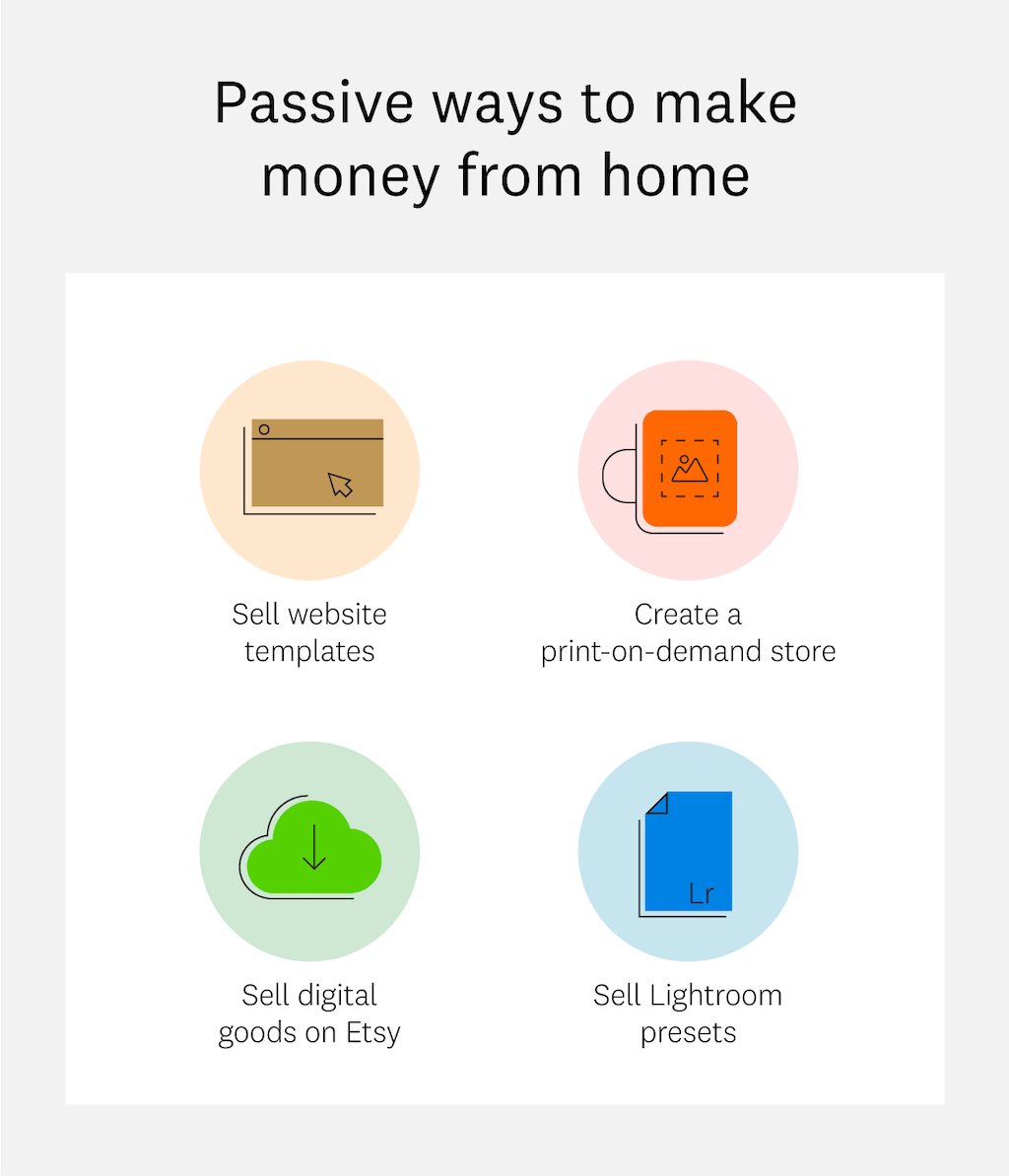
Have you ever wondered how some people make a living selling digital products online? The beauty of digital products is that they can reach a global audience without the constraints of physical inventory or shipping. If you’re curious about turning your knowledge or creativity into a source of income, you’re in the right place. Let’s walk through the essential steps to help you understand how to create and sell digital products effectively.

Understanding Digital Products
Digital products are intangible assets or content that you can sell online. This can include eBooks, online courses, printables, software, music, photos, and more. The possibilities are vast, and the best part is that once created, they can be sold repeatedly without the need for physical manufacturing.
Types of Digital Products
Knowing which type of digital product to create is paramount for your success. Here are some common categories:
| Product Type | Description |
|---|---|
| eBooks | Written content on specific topics that people want to learn about. |
| Online Courses | Structured lessons or classes that teach skills or knowledge, often with videos. |
| Printables | Downloadable files like planners, calendars, or art that users can print. |
| Software | Applications or tools that solve specific problems or enhance productivity. |
| Stock Photos | High-quality images for personal or commercial use. |
| Music or Audio | Original songs, instrumental tracks, or sound effects for media projects. |
Finding Your Niche
To effectively create and sell a digital product, you’ll want to identify your niche. A niche allows you to target a specific audience, making your marketing efforts more effective. Spend time reflecting on your passions, skills, or experiences. What do you enjoy? What problems can you solve for others?
Consider using tools like Google Trends or social media platforms to see what topics are currently popular or what questions people frequently ask. This research can help guide your decision-making process.
Creating Your Digital Product
Now that you’ve identified your niche, it’s time to create the product itself. Here, you should focus on quality and value, as these are crucial for attracting customers.
Research and Outline
Start with thorough research on your chosen topic. Gather valuable insights, tips, and techniques that you think your audience would find beneficial. Outline your content to structure your product logically—this could be the chapters of an eBook or modules of an online course.
Content Creation
Content creation varies depending on the product type. Here are brief guidelines for different products:
eBooks
- Write Clearly: Use straightforward language. Engage your readers by telling stories or providing real-life examples.
- Design Matters: Invest in good design using tools like Canva or hire a designer. An attractive cover and layout will appeal to readers.
Online Courses
- Video Production: Record high-quality videos. Use good lighting and clear audio to enhance the learning experience.
- Supplemental Materials: Provide additional resources like worksheets or quizzes to reinforce learning.
Printables
- Create Attractive Designs: Use design tools to create visually appealing printables that people would want to display or use.
- Organize for Easy Use: Ensure that your printables are easy to download and print, with clear instructions if necessary.
Testing Your Product
Before launching, it’s essential to test your product. Share it with a small group of friends, family, or potential customers for feedback. Constructive criticism can help you refine your product and ensure that it meets the standards of your audience.
Setting Up Your Online Store
Once you have your digital product ready, it’s time to think about where and how to sell it. Today, you have a variety of options available.
Choosing a Sales Platform
You can either sell your product directly from your website or use dedicated platforms designed for digital sales. Here are some popular options:
| Platform | Description |
|---|---|
| Shopify | A robust eCommerce platform that allows you to create an online store. |
| Gumroad | Easy-to-use platform focused on digital products, great for beginners. |
| Etsy | A marketplace popular for handmade and unique items, including printables. |
| Teachable | Ideal for hosting and selling online courses. |
| Amazon Kindle | Great for selling eBooks, reaching a large audience quickly. |
Creating Your Website
If you prefer to sell directly, setting up a website can be a rewarding endeavor. Here are some components to consider:
- Clear Branding: Ensure that your site reflects your brand identity. This includes consistent colors, fonts, and messaging.
- User-Friendly Experience: Make navigation easy for visitors. They should find what they are looking for without frustration.
- Payment Integration: Use payment gateways like PayPal, Stripe, or others to facilitate transactions seamlessly.
Marketing Your Digital Products
Creating a fantastic digital product is just the beginning; marketing is equally important to reach your audience. Here are some strategies to get you started.
Social Media Marketing
Social media platforms are invaluable for promoting your products. Tailor your strategy based on the platform your target audience frequents the most:
- Instagram: Share visually appealing images of your products and engage with followers through stories and posts.
- Facebook: Create a business page to promote your products, run ads, and engage in relevant groups.
- Pinterest: An excellent platform for printables and eBooks where you can utilize pins to guide traffic to your product links.
Building an Email List
An email list is one of your best assets. Start by creating a lead magnet—a free digital product people can download in exchange for their email addresses. This tactic will help you cultivate relationships with potential customers.
Once you’ve established your list, keep in touch through newsletters. Share valuable content, updates about new products, and exclusive discounts to keep your audience engaged.
Collaborating with Influencers
Partnering with influencers in your niche can help boost your visibility. Look for individuals whose audience aligns with your target market. They can promote your product through their channels, increasing your reach and credibility.

Pricing Your Digital Products
Setting the right price for your digital products can be tricky. Too high, and you might scare potential customers away; too low, and you risk undervaluing your work.
Factors to Consider
- Market Research: Investigate what similar products are priced at. This gives you a baseline for setting your price.
- Value Proposition: Reflect on the value your product offers. If it solves a particular problem effectively, you can command a higher price.
- Sales Strategy: Consider offering promotions or discounts, especially for first-time buyers, to encourage sales and build a customer base.
Managing Customer Relations
Once you start selling, fostering good relationships with your customers is vital for long-term success.
Providing Excellent Customer Service
Always be prompt in responding to inquiries. Address any issues swiftly and professionally. A satisfied customer can turn into a repeat buyer and advocate for your brand.
Gathering Feedback
Encourage customers to leave reviews or provide feedback on your products. This information can help you improve existing offerings and guide future product development.

Scaling Your Business
As your digital product business grows, you might find opportunities to scale. Here are some strategies to consider.
Creating More Products
You can leverage the existing knowledge in your niche to create additional products. Look at what’s selling well and identify gaps in the market where you could fill a need.
Automating Processes
Utilize tools and software to automate repetitive tasks, such as marketing campaigns or customer communications. This frees up your time to focus on higher-level strategy and product creation.
Collaborating with Other Creators
Identify other creators in your niche with complementary products. You can collaborate on bundled offers or cross-promote each other’s products, expanding your audience and increasing sales.
Staying Updated
Lastly, it’s vital to stay current with trends in the digital product space. The online landscape evolves quickly, and what’s popular today may not be tomorrow.
Continuous Learning
Invest in your education by taking online courses in marketing, design, or entrepreneurship. Read articles, listen to podcasts, and engage with communities of fellow creators to share insights and strategies.
Adapting to Market Changes
Be responsive to changes in customer preferences or technological advancements. This may mean updating your products, revamping your marketing strategy, or even trying new platforms for sales.

Conclusion
The journey of creating and selling digital products can be a fulfilling and lucrative endeavor. It requires creativity, planning, and dedication, but the potential rewards are significant. By understanding your niche, creating quality products, and effectively marketing them, you can build a sustainable online income. Keep learning, stay adaptable, and remember, every step you take brings you closer to achieving your goals. Good luck on your digital product journey!