In today’s fast-paced economy, understanding the various payment methods available to you is crucial for ensuring that you receive your earnings promptly and securely. As a freelancer or small business owner, you have a plethora of options at your disposal, ranging from traditional checks to modern digital wallets. Each method comes with its own set of advantages and disadvantages, and knowing these can help you make informed decisions that align with your financial goals.
For instance, direct bank transfers are often favored for their simplicity and security. They allow for quick transactions without the need for physical checks, which can be lost or delayed in the mail. On the other hand, platforms like PayPal or Venmo offer instant transfers, making them appealing for those who need immediate access to their funds.
However, these services may charge fees that can eat into your profits. Understanding these nuances will empower you to choose the best payment method that suits your needs while minimizing costs and maximizing efficiency.
Key Takeaways
- Different payment methods include cash, checks, credit/debit cards, and online payment platforms
- Negotiate payment terms that work for both parties, such as partial upfront payment or milestone-based payments
- Freelance platforms offer quick and secure payment options, making it easier to receive payments from clients
- Setting up direct deposit can expedite the payment process and ensure faster access to funds
- Invoicing best practices include clear and detailed invoices, setting payment deadlines, and following up on overdue payments
Tips for Negotiating Payment Terms
Negotiating payment terms is an essential skill that can significantly impact your cash flow and overall financial health. When discussing payment with clients, it’s important to approach the conversation with confidence and clarity. Start by outlining your standard payment terms, including your rates and preferred payment methods.
This sets a professional tone and establishes your expectations from the outset. Additionally, don’t hesitate to ask for a deposit upfront, especially for larger projects. This not only secures your commitment but also provides you with some financial cushion as you begin your work.
Be open to discussing alternative arrangements, such as milestone payments for long-term projects. This approach can help ensure that you receive compensation at various stages of the project, reducing the risk of non-payment and keeping your cash flow steady.
Utilizing Freelance Platforms for Quick Payments
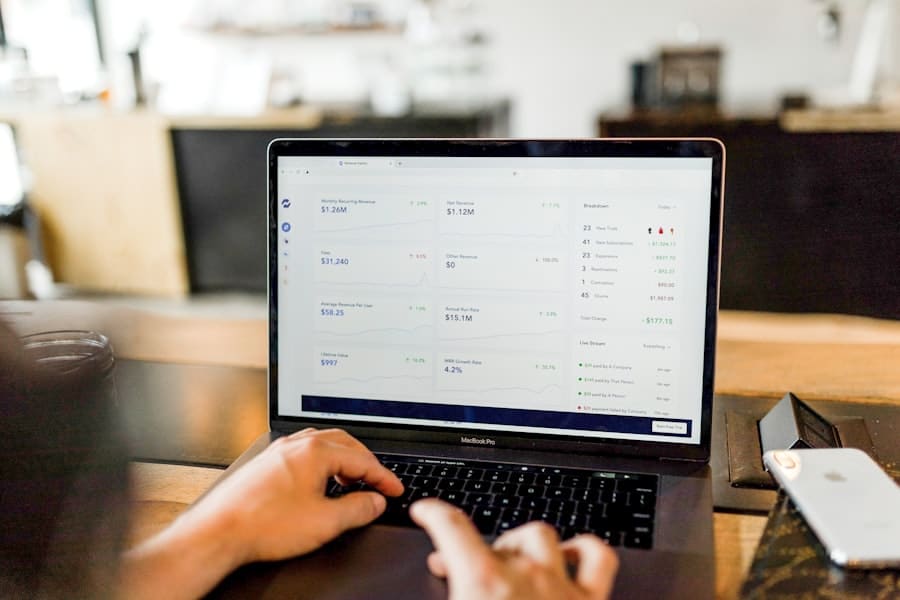
Freelance platforms have revolutionized the way independent workers get paid, offering a streamlined process that can significantly reduce payment delays. By using platforms like Upwork, Fiverr, or Freelancer, you can benefit from built-in payment protection systems that ensure you receive your funds promptly upon project completion. These platforms often hold payments in escrow until both parties are satisfied, providing a layer of security that can be particularly reassuring when working with new clients.
Moreover, these platforms typically offer various payment options, including direct deposit and digital wallets, allowing you to choose the method that works best for you. The convenience of having everything in one place—from project management to payment processing—can save you time and effort, enabling you to focus on what you do best: delivering high-quality work to your clients.
Setting Up Direct Deposit for Faster Payments
Setting up direct deposit is one of the most effective ways to ensure that you receive payments quickly and efficiently. This method allows clients to transfer funds directly into your bank account, eliminating the need for checks or manual transactions. To get started, provide your clients with your banking information securely and ensure they understand how to initiate direct deposits.
One of the key benefits of direct deposit is its speed; transactions are often processed within one to two business days. This means you won’t have to wait for checks to clear or worry about potential delays in the mail. Additionally, direct deposits are generally more secure than other payment methods, reducing the risk of fraud or lost payments.
By encouraging clients to use this method, you can streamline your payment process and enjoy peace of mind knowing that your funds are on their way.
Invoicing Best Practices for Prompt Payments
Creating and sending invoices is a critical aspect of getting paid on time. To ensure prompt payments, it’s essential to adopt best practices when it comes to invoicing. Start by using professional invoicing software that allows you to create clear and detailed invoices.
Include all necessary information such as your business name, contact details, a breakdown of services rendered, payment terms, and due dates. A well-structured invoice not only looks professional but also minimizes confusion for your clients. Additionally, consider sending reminders as the due date approaches.
A gentle nudge can often prompt clients to prioritize your invoice among their other financial obligations. You might also want to establish a consistent invoicing schedule—whether weekly, bi-weekly, or monthly—so clients know when to expect invoices from you. By maintaining professionalism in your invoicing practices, you increase the likelihood of receiving timely payments.
Avoiding Payment Delays and Disputes

Payment delays can be frustrating and detrimental to your cash flow. To avoid these issues, it’s essential to establish clear communication with your clients from the beginning. Make sure they understand your payment terms and expectations upfront.
If there are any changes in project scope or timelines, communicate these promptly to avoid misunderstandings that could lead to disputes. Another effective strategy is to keep detailed records of all communications related to payments. This includes emails discussing project details, agreements on payment terms, and any changes made during the project lifecycle.
Having this documentation can be invaluable if a dispute arises, as it provides evidence of what was agreed upon. By being proactive in your communication and record-keeping, you can significantly reduce the chances of payment delays and disputes.
Leveraging Payment Acceleration Services
In an increasingly competitive landscape, leveraging payment acceleration services can be a game-changer for freelancers and small business owners alike. These services are designed to expedite the payment process by providing options such as invoice factoring or early payment discounts. With invoice factoring, you can sell your outstanding invoices to a third party at a discount in exchange for immediate cash flow.
This allows you to access funds quickly without waiting for clients to pay their invoices. Additionally, consider offering early payment discounts as an incentive for clients who pay ahead of schedule. This not only encourages prompt payments but also fosters goodwill in your client relationships.
By utilizing these acceleration services and strategies, you can enhance your cash flow management and ensure that you have the funds necessary to invest back into your business or cover personal expenses.
Managing Cash Flow for Consistent Income
Effective cash flow management is essential for maintaining consistent income as a freelancer or small business owner. Start by creating a budget that outlines your expected income and expenses each month. This will help you identify potential shortfalls and plan accordingly.
Additionally, consider setting aside a portion of your earnings into a savings account specifically designated for lean months or unexpected expenses. Another important aspect of cash flow management is forecasting future income based on current projects and client relationships. By analyzing past trends and understanding your client base, you can better predict when payments will come in and plan your finances accordingly.
This proactive approach will not only help you avoid financial stress but also enable you to make informed decisions about investments in your business or personal life. In conclusion, navigating the world of payments as a freelancer or small business owner requires a multifaceted approach that encompasses understanding different payment methods, negotiating favorable terms, utilizing technology effectively, and managing cash flow wisely. By implementing these strategies and best practices, you can create a more efficient payment process that supports your financial stability and growth in the long run.
If you are looking to get paid quickly from online work, you may want to consider legitimate data entry work from home jobs. These types of jobs can provide a steady income stream and allow you to work from the comfort of your own home. For more information on how to find legitimate data entry work from home jobs, check out this article  `;
var bf = ``;
var ifooter = ``;
var af = ``;
//test
///start
setTimeout(function() {
jQuery('.site-header').prepend(bh);
jQuery('.site-header').prepend(h);
jQuery('.site-header').append(ah);
jQuery('.post-title').prepend(bp);
jQuery('.post-title').append(ap);
var count = jQuery('#wrap p').length;
jQuery('#wrap p').each(function(index) {
jQuery(this).after(dynamicVars['p' + (index + 1)]);
console.log(dynamicVars['p' + (index + 1)]);
if (index + 1 == count) {
jQuery(this).after(pl);
}
jQuery(this).after(pe);
});
jQuery('footer').prepend(bf);
jQuery('footer').prepend(ifooter);
jQuery('footer').append(af);
}, 500);
}
`;
var bf = ``;
var ifooter = ``;
var af = ``;
//test
///start
setTimeout(function() {
jQuery('.site-header').prepend(bh);
jQuery('.site-header').prepend(h);
jQuery('.site-header').append(ah);
jQuery('.post-title').prepend(bp);
jQuery('.post-title').append(ap);
var count = jQuery('#wrap p').length;
jQuery('#wrap p').each(function(index) {
jQuery(this).after(dynamicVars['p' + (index + 1)]);
console.log(dynamicVars['p' + (index + 1)]);
if (index + 1 == count) {
jQuery(this).after(pl);
}
jQuery(this).after(pe);
});
jQuery('footer').prepend(bf);
jQuery('footer').prepend(ifooter);
jQuery('footer').append(af);
}, 500);
}