If you’re new to the world of freelance writing and eager to embark on an exciting online career, look no further. This article brings you a comprehensive guide on freelance writing jobs online for beginners. Whether you have a passion for creative writing, blogging, or content creation, we’ll explore various platforms and opportunities that will set you on the path to success in the world of freelance writing. Get ready to discover the possibilities and unlock your potential as a beginner freelance writer online!
Understanding Freelance Writing
Definition of freelance writing
Freelance writing refers to the practice of writing content for various clients or companies on a project basis, without being employed by them full-time. As a freelance writer, you have the freedom to choose your projects, clients, and work schedule. You can work from anywhere and have the flexibility to take on multiple projects simultaneously.
Benefits of freelance writing
Freelance writing offers numerous benefits that make it an attractive career choice for beginners and experienced writers alike. Firstly, it provides the opportunity to work independently and be your own boss. You have the freedom to choose projects that align with your interests and passions. Additionally, freelance writing allows for a flexible work schedule, enabling you to balance your professional and personal life effectively. It also offers the potential for higher earning potential, as you can negotiate rates with clients based on your expertise and experience.
Types of freelance writing
Freelance writing encompasses a wide range of content creation opportunities. Some popular types of freelance writing include:
-
Blogging: Many businesses and individuals require blog posts to boost their online presence. As a freelance blogger, you can write engaging and informative articles on various topics.
-
Copywriting: Copywriters create persuasive and compelling content for advertisements, marketing materials, websites, and other promotional purposes.
-
Technical writing: Technical writers produce clear and concise documentation, such as user manuals, instruction guides, and software documentation.
-
Content writing: Content writers create informative and engaging articles, website copy, social media posts, and other forms of digital content.
-
Ghostwriting: Ghostwriters write on behalf of someone else, often for books, articles, or blog posts. The authorship credit goes to the client, while the ghostwriter receives payment.
-
Creative writing: Freelance creative writers craft content such as fiction, poetry, scripts, and other forms of artistic expression.
Essential Skills for Freelance Writing
Writing proficiency
One of the most crucial skills for freelance writing is a solid foundation in writing proficiency. This includes having a strong command of grammar, spelling, and punctuation. You should be able to create engaging and well-structured content that is free from errors. Improving your writing skills can be done through practice, reading extensively, and seeking feedback from experienced writers.
Research skills
Successful freelance writers possess excellent research skills. You need to be able to gather reliable information and data to support your content. This may involve conducting online research, interviewing experts, or referring to credible sources. Strong research skills enable you to produce informative and well-researched articles that meet your clients’ requirements.
Adaptability
As a freelance writer, you will encounter various topics and writing styles. Being adaptable is vital in ensuring that you can cater to the unique demands of each project. Adapting your writing style to suit different industries or clients allows you to deliver content that meets their specific needs and preferences.
Time management
Effective time management is essential for freelance writers to meet deadlines and maintain a consistent workflow. You must be able to prioritize tasks, set realistic timelines, and allocate sufficient time for research, writing, and revisions. Utilizing project management tools or creating a schedule can help you stay organized and ensure timely delivery of your work.
Attention to detail
Attention to detail is crucial in freelance writing to maintain a high level of accuracy and quality in your content. This includes checking for grammatical errors, maintaining consistent formatting, and adhering to any specific guidelines provided by the client. Paying attention to the smallest details will help you produce polished and professional work.
Communication skills
Strong communication skills are vital for freelance writers to effectively interact with clients, understand project requirements, and clarify any doubts or concerns. Clear and concise communication helps build trust and ensures that you and the client are on the same page. Promptly responding to emails, asking relevant questions, and providing regular updates are essential components of effective communication as a freelance writer.
Popular Freelance Writing Platforms
Upwork
Upwork is one of the most prominent freelance platforms, connecting freelancers with clients from around the world. It offers a wide range of categories, including writing, and allows freelancers to create a profile, showcase their work, and bid on available projects. Upwork also has secure payment systems and provides tools for tracking time and managing projects.
Freelancer
Freelancer is another popular platform for freelance writers. It offers various writing categories, allowing writers to find projects that match their skills and interests. Freelancers can also participate in contests to showcase their abilities and attract potential clients. Freelancer provides a secure platform for communication and facilitates payment transactions.
Fiverr
Fiverr is known for its unique approach of offering services starting at $5. Freelance writers can create “gigs” that showcase their services, such as blog writing, copywriting, or proofreading. Fiverr’s platform allows freelancers to set their prices and provide samples of their work. It also provides a rating system for clients to leave feedback, helping freelancers establish a positive reputation.
Problogger
Problogger focuses specifically on connecting freelance writers with blogging opportunities. It offers a job board with various writing gigs, providing a platform for bloggers to find paid writing opportunities. Freelancers can browse through different job postings and pitch their services directly to potential clients.
Guru
Guru is a freelance platform that connects writers with clients seeking various content creation services. It offers a user-friendly interface and allows freelancers to create a profile, display their portfolio, and showcase their skills. Guru provides features like project management tools, secure payments, and communication channels to facilitate smooth collaboration between freelancers and clients.
Creating an Effective Freelance Writing Profile
Optimizing your profile headline and summary
An effective freelance writing profile begins with an attention-grabbing headline that highlights your expertise and specialization. It should clearly convey what sets you apart from other writers. The profile summary should provide a concise overview of your skills, experience, and writing style. Use this section to showcase your unique selling points and attract potential clients.
Highlighting relevant skills and experiences
In your freelance writing profile, emphasize the skills and experiences that align with the type of writing you are offering. This could include areas of expertise, writing niches, or specific industries you have experience in. Highlight any relevant certifications or qualifications that demonstrate your expertise and credibility as a freelance writer.
Showcasing your writing samples
Include a diverse range of writing samples in your profile to showcase your versatility and expertise. Select high-quality samples that align with the type of projects you want to attract. If you are just starting out and do not have many samples, consider creating mock samples or contributing to writing platforms or personal blogs to build your portfolio.
Setting competitive rates
When setting your rates, take into consideration factors such as your experience, expertise, and the amount of time and effort required for each project. While it is important to be competitive, make sure your rates reflect the value you bring as a freelance writer. Research industry standards and consider the rates prevalent on freelance platforms to ensure your pricing is fair.
Gathering positive client reviews
Client reviews are valuable assets for freelance writers. Request feedback and testimonials from clients you have worked with in the past to build credibility and trust. Positive reviews can help attract new clients and demonstrate your ability to deliver high-quality work. Consider including excerpts from client reviews in your profile to enhance your reputation.

Finding Freelance Writing Jobs
Search for job postings on freelance platforms
Freelance platforms like Upwork, Freelancer, and Fiverr have dedicated job boards where clients post writing projects. Regularly check these job boards, filter by relevant categories or keywords, and submit proposals for projects that align with your skills and interests. Customize each proposal to showcase your understanding of the client’s requirements and explain how you can meet their needs.
Utilize job boards and content mills
In addition to freelance platforms, there are numerous job boards and content mills specifically catering to freelance writers. Websites like ProBlogger and BloggingPro offer a variety of writing gigs, allowing you to find jobs beyond the realm of general freelancing platforms. These platforms often focus on specific niches, making it easier to find opportunities that match your expertise.
Networking and pitching directly to clients
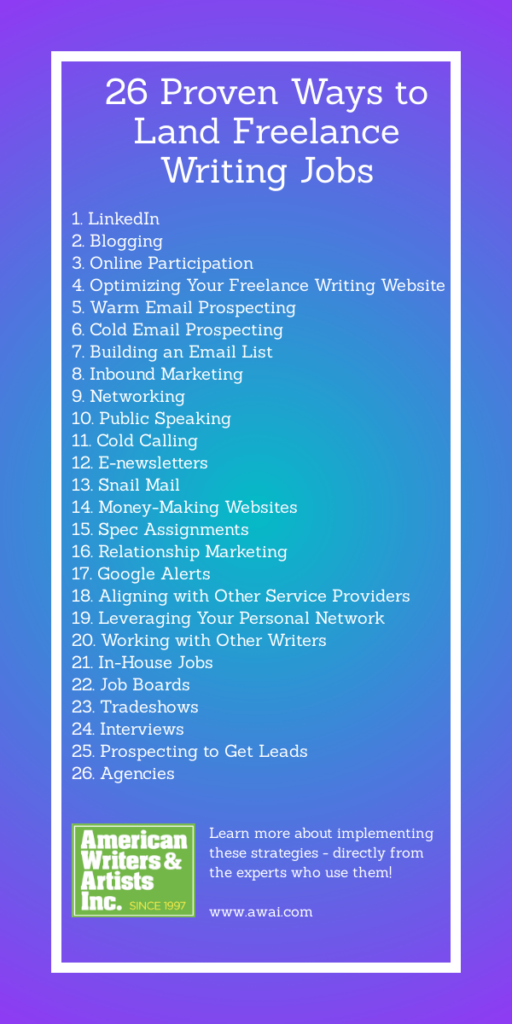
Building a strong network and pitching directly to potential clients can be an effective way of finding freelance writing jobs. Attend industry events, join relevant professional organizations, and connect with others in your field. Use social media platforms like LinkedIn to showcase your work and reach out to potential clients. Pitching directly to clients allows you to tailor your proposals to their specific needs, increasing the chances of securing projects.
Joining freelance writing communities and forums
Engaging with freelance writing communities and forums can provide valuable insights and job opportunities. Websites like Reddit and Facebook groups focused on freelance writing are excellent resources for connecting with other writers, sharing experiences, and seeking advice. These communities often have job postings, recommendations, and discussions related to freelance writing, enabling you to expand your network and stay informed about potential job opportunities.
Building your personal brand
Establishing a strong personal brand as a freelance writer can attract clients and set you apart from the competition. Create a professional website or blog to showcase your portfolio, share blog posts, and highlight your expertise. Use social media platforms to promote your work, engage with your target audience, and establish yourself as an authority in your niche. Consistently provide high-quality content and actively market your services to build a reputable brand.
Writing High-Quality Content
Understanding the client’s requirements
Before starting any writing project, it is essential to thoroughly understand the client’s requirements. Read the briefing or project description carefully, and if any questions arise, seek clarification from the client. Pay attention to specific guidelines regarding tone, word count, formatting, and any keywords or key concepts the client wants you to incorporate. Understanding the client’s expectations is crucial to delivering high-quality content that meets their needs.
Conducting thorough research
Thorough research is a vital aspect of freelance writing. Take the time to gather reliable information from credible sources to support your content. This may involve conducting online research, interviewing experts, or referring to industry-specific publications. Research helps you provide accurate and up-to-date information, making your content more informative and credible.
Creating a compelling outline
Before diving into writing, create a structured outline to give your content a clear and logical flow. An outline helps you organize your thoughts, ensuring that your ideas are well-sequenced and coherent. Break down your content into meaningful sections or subheadings and include key points and supporting arguments. A compelling outline serves as a roadmap for your writing, allowing you to create cohesive and engaging content.
Writing engaging introductions and conclusions
Introductions and conclusions are crucial elements of any piece of writing. The introduction should capture the reader’s attention and provide a preview of what they can expect from the content. Consider using a captivating statistic, an interesting anecdote, or a thought-provoking question to engage your readers. Conclusions, on the other hand, should summarize the main points, provide a sense of closure, and leave the reader with a lasting impression. Craft introductions and conclusions that resonate with your audience and compel them to read your content in its entirety.
Proofreading and editing
Proofreading and editing are essential steps in ensuring the quality and professionalism of your work. After completing a draft, take the time to review it for grammatical errors, spelling mistakes, and punctuation errors. Pay attention to sentence structure, clarity, and overall coherence. Read your content aloud or have someone else read it to catch any awkward phrasing or inconsistencies. Additionally, check for proper formatting and adherence to any specific style guides provided by the client. Taking these extra steps will ensure your content is polished and ready for submission.

Common Mistakes to Avoid
Accepting low-paying gigs
One common mistake made by beginners in freelance writing is accepting low-paying gigs. While it may be tempting to take any job that comes your way, it is important to value your skills and time. Set realistic rates that reflect the quality of your work and negotiate with clients to ensure you are compensated fairly. Taking on low-paying gigs can undermine your value as a writer and prevent you from reaching your earning potential.
Not diversifying your client base
Relying too heavily on a single client or platform can be risky for freelance writers. It is important to diversify your client base to maintain a steady flow of work and income. Cultivate relationships with multiple clients and platforms to minimize the impact of losing a client or experiencing a decrease in available projects. This diversification provides stability and enhances your professional growth.
Failing to meet deadlines
Meeting deadlines is crucial for maintaining a good reputation as a freelance writer. Failing to deliver work on time can lead to dissatisfaction from clients and potentially harm your chances of securing future projects. Prioritize your workload, use project management tools to track deadlines, and establish a realistic schedule to ensure timely delivery. Communicate proactively with clients if unforeseen circumstances arise that may affect your ability to meet a deadline.
Neglecting to communicate effectively
Effective communication is essential for successful collaboration with clients. Respond to client inquiries, requests, and feedback in a timely manner. Regularly update clients on the progress of their projects and seek clarification if something is unclear. Clear and consistent communication builds trust, establishes a good rapport, and helps ensure that both you and the client are on the same page.
Not continuously improving your writing skills
Freelance writing is an ever-evolving field, and it is important to continuously improve your writing skills. Stay updated on industry trends, read widely, and seek feedback from clients and experienced writers. Consider taking courses, attending workshops, or joining writing communities to expand your knowledge and refine your craft. Continuous learning and improvement are essential for remaining competitive and delivering high-quality content.
Building a Successful Freelance Writing Career
Setting realistic goals
Setting realistic goals is crucial for building a successful freelance writing career. Identify short-term and long-term objectives that align with your aspirations and create a roadmap to achieve them. Break down your goals into actionable steps and track your progress regularly. Realistic goals provide focus, motivation, and a sense of direction as you work towards building a thriving freelance writing career.
Establishing a professional online presence
Creating a professional online presence is essential for gaining visibility and attracting clients. Build a well-designed website or blog that showcases your portfolio, services, and contact information. Utilize social media platforms to share your work, engage with your audience, and establish yourself as an expert in your niche. Invest in professional branding elements such as a logo and consistent visual identity. A professional online presence reflects your credibility and professionalism as a freelance writer.
Expanding your skill set
Expanding your skill set enhances your marketability as a freelance writer. Continuously learn and develop new writing skills to cater to a wider range of projects. Consider branching out into different writing niches or exploring additional services, such as editing, proofreading, or social media management. Increasing your skill set allows you to diversify your offerings and attract a broader range of clients.
Offering additional services
Offering additional services alongside your writing can help you stand out from competitors and provide more value to clients. For example, you can offer keyword research, content strategy development, or SEO optimization as add-on services. Identifying your clients’ needs and offering comprehensive solutions can lead to long-term client relationships and increased project opportunities.
Maintaining a healthy work-life balance
Maintaining a healthy work-life balance is vital for the long-term sustainability of your freelance writing career. Set boundaries and allocate specific hours for work, ensuring you schedule time for personal activities and self-care. Avoid overworking and burnout by taking breaks when needed. Prioritize your physical and mental well-being to maintain productivity and enjoy a fulfilling career as a freelance writer.

Tips for Getting Hired as a Beginner
Start with low-paying or volunteer opportunities
As a beginner, it can be challenging to land high-paying freelance writing gigs initially. Consider starting with low-paying or even volunteer opportunities to gain experience and build your portfolio. These opportunities allow you to practice your writing skills, develop relationships with clients, and showcase your work to potential clients in the future.
Develop a strong portfolio
Having a strong portfolio is crucial for getting hired as a beginner freelance writer. Create a diversified portfolio that showcases your best work and highlights your strengths and niche expertise. If you are lacking in paid writing samples, create mock samples or contribute guest posts to reputable websites or blogs. A strong portfolio demonstrates your abilities and attracts potential clients.
Customize your pitches to each client
When pitching to clients, avoid using generic templates. Take the time to research and understand the client’s requirements and tailor your pitch accordingly. Show that you have read their brief or job posting and explain how your skills and experience align with their needs. Customizing your pitches demonstrates professionalism and increases your chances of getting hired.
Be responsive and professional
Being responsive and professional is crucial when interacting with clients. Respond to inquiries, messages, and emails promptly. Demonstrate your professionalism by maintaining a polite and respectful tone in all communications. Timely and professional responses build trust and leave a positive impression on clients.
Seek feedback and continuously improve
As a beginner, seek feedback from clients and more experienced writers. Constructive criticism helps you identify areas for improvement and refine your writing skills. Actively incorporate feedback into your work and continuously seek opportunities to enhance your writing abilities. Willingness to learn and improve sets you apart from other beginners and positions you for a successful freelance writing career.
Managing Finances as a Freelance Writer
Setting appropriate rates
Setting appropriate rates is crucial for ensuring your freelance writing career remains financially sustainable. Consider factors such as your experience, expertise, and the complexity of each project. Research industry standards and trends to determine competitive rates, while also factoring in your desired income and any additional expenses related to your freelance writing business. Continuously evaluate and adjust your rates to reflect changes in your skills and the market.
Tracking income and expenses
Managing your finances as a freelance writer requires diligent tracking of income and expenses. Keep detailed records of your earnings, including payments received and pending invoices. Additionally, track any expenses related to your writing business, such as software subscriptions, office supplies, or professional development costs. Utilize accounting software or spreadsheets to maintain accurate financial records.
Creating a savings plan
Freelance writing income can vary from month to month, so it is important to create a savings plan to manage any fluctuations. Determine a portion of your earnings that you can set aside for savings. This can serve as a safety net for lean months or to cover unexpected expenses. Prioritize building an emergency fund and consider saving for future investments or retirement.
Setting up payment systems
Having efficient payment systems in place is crucial to ensure timely and smooth transactions with clients. Consider utilizing online platforms that offer secure payment options, such as PayPal or Stripe. Clearly communicate your payment terms to clients, including due dates and preferred methods of payment. Regularly follow up with clients for overdue payments and establish a system for sending invoices promptly.
Consulting with a financial advisor if needed
If you are unsure about managing your finances as a freelance writer, it may be beneficial to consult with a financial advisor. A financial advisor can provide guidance on structuring your business finances, maximizing tax deductions, and making informed decisions regarding your income and investments. Their expertise can help you navigate the complexities of freelance writing finances and set you on a path towards financial security.
In conclusion, understanding the world of freelance writing is key to starting and building a successful career in the field. By honing essential skills, utilizing popular freelance writing platforms, creating a compelling profile, and continuously improving your writing abilities, you can attract clients, produce high-quality content, and flourish as a freelance writer. By avoiding common mistakes and implementing effective strategies, you can establish a thriving freelance writing business and enjoy the benefits of a flexible and fulfilling career.