If you’ve been dreaming of a flexible work schedule and the ability to work from the comfort of your own home, then freelance writing jobs might be the perfect fit for you. With the rise of the gig economy, more and more companies are turning to freelancers to provide quality content for their websites, blogs, and social media platforms. In this article, we will explore the opportunities available in freelance writing and how you can start your journey towards a fulfilling and profitable career as a remote writer.

Finding Freelance Writing Jobs
Are you a skilled writer looking for freelance writing opportunities? With the rise of remote work, there are now countless opportunities to work from the comfort of your own home. In this article, we’ll explore different avenues to find freelance writing jobs that suit your expertise and interests.
Websites for Freelance Writing Jobs
One of the most popular ways to find freelance writing jobs is through specialized websites. Websites like Upwork, Freelancer, and Guru connect freelance writers with clients from around the world. These platforms allow you to create a profile, showcase your skills, and bid on projects that align with your expertise. They provide a convenient way to access a wide range of job opportunities and build a client base.
Job Boards and Freelance Marketplaces
Another excellent resource for finding freelance writing jobs is job boards and freelance marketplaces. Websites such as Indeed, FlexJobs, and Remote.co have dedicated sections for freelance writing jobs. These platforms aggregate job listings from various sources, making it easy to find and apply for relevant opportunities. Keep an eye out for job boards specific to writing, such as ProBlogger and Writing Gigs, which curate writing-focused jobs from various industries.
Networking and Referrals
Never underestimate the power of networking when it comes to finding freelance writing jobs. Reach out to your professional and personal contacts, letting them know that you’re available for freelance work. Many businesses and individuals are in constant need of content, and your network might be able to connect you with potential clients. Be active on social media platforms related to your niche and engage with others in the writing community. Building a strong network can lead to referrals and long-term clients.
Cold Pitching and Sending Query Letters
If you’re proactive and have a specific publication or client in mind, don’t hesitate to send a cold pitch or query letter. Research publications or websites that align with your writing style and expertise, and craft a personalized pitch or query. Highlight your relevant experience and provide a few writing samples to showcase your skills. Although it may take some time and effort, successfully landing a job through cold pitching can be rewarding and potentially lead to ongoing work.
Skills and Qualifications
To excel as a freelance writer, certain skills and qualifications are essential. It’s not just about having strong writing abilities; you need to possess a range of other competencies to thrive in this competitive industry.
Strong Writing Skills
As a freelance writer, your primary skill must be exceptional writing. You should have a mastery of grammar, punctuation, and sentence structure. It’s crucial to convey your message clearly and concisely, tailoring your writing style to meet the needs of different clients and target audiences. A good writer can adapt their tone and voice to suit various industries and writing formats.
Research Skills
In addition to writing prowess, freelance writers must have solid research skills. You’ll often be required to delve into a variety of topics, from technology to healthcare, and produce well-informed and accurate content. Knowing how to gather reliable information from credible sources is instrumental in delivering quality articles that meet client expectations.
Time Management
Working as a freelance writer means managing your own time effectively. You’ll likely have multiple projects on your plate simultaneously, each with its own deadlines. It’s crucial to prioritize tasks, set realistic timeframes, and allocate your working hours wisely to meet all commitments. Good time management skills will not only help you deliver high-quality work promptly but also enable you to maintain a healthy work-life balance.
Communication Skills
Communication is essential both in securing freelance writing jobs and in maintaining long-term client relationships. You need to be able to understand client expectations, ask relevant questions, and provide updates on your progress. Effective communication also involves actively listening to client feedback and incorporating it into your work. Clear and open lines of communication help build trust and ensure that everyone is on the same page throughout the collaboration.

Setting up Your Home Office
As a freelance writer, your home office plays a vital role in your productivity and overall well-being. It’s important to create a workspace that is conducive to focused work and supports your physical and mental health.
Designated Workspace
Having a designated workspace is crucial for concentration and separating work from personal life. Ideally, choose a quiet area where you can minimize distractions. Whether it’s a separate room, a corner of your living room, or even a standing desk, having a designated space for work sets a clear boundary between work and leisure time.
Ergonomic Setup
Sitting for long hours can take a toll on your body. Investing in an ergonomic setup is not only important for your health but also for your productivity. Consider getting an ergonomic chair that provides proper lumbar support, a desk at the right height, and a monitor at eye level to avoid strain on your spine, neck, and eyes. Pay attention to your posture and take regular breaks to stretch and move around to avoid stiffness and discomfort.
Equipment and Tools
To work efficiently as a freelance writer, you’ll need the right equipment and tools. A reliable computer or laptop with a comfortable keyboard is a must. Consider investing in a good-quality microphone if you plan to take on transcription or voiceover work. A noise-canceling headset or earphones can help you focus and block out background noise. Additionally, having access to a reliable internet connection, cloud storage for file backup, and essential software applications such as word processors and grammar checkers is essential.
Managing Your Time and Schedule
Freelance writing requires discipline and effective time management skills to balance multiple projects, meet deadlines, and maintain a healthy work-life balance. Establishing a routine, setting realistic goals, and prioritizing tasks are vital components of managing your time and schedule effectively.
Creating a Routine
Having a well-defined routine can help you stay organized and focused. Determine your most productive working hours and allocate specific time slots for different tasks. For example, you can set aside the mornings for research and writing, afternoons for editing and proofreading, and evenings for communications and administrative tasks. Having a routine not only creates structure but also helps train your mind to be productive during specific timeframes.
Setting Realistic Goals and Deadlines
Setting realistic goals and deadlines is key to managing your workload effectively. Break down larger projects into smaller tasks and assign time estimates to each. This will help you set achievable goals and avoid feeling overwhelmed. When setting deadlines, be sure to account for potential revisions and client feedback. It’s better to under-promise and over-deliver rather than over-committing and struggling to meet expectations.
Prioritizing Tasks
Prioritizing tasks is essential when juggling multiple freelance writing projects. Assess each task’s urgency and importance, and rank them accordingly. Focus on high-priority assignments first to ensure you meet deadlines and deliver quality work. Consider using productivity tools such as project management apps or to-do lists to keep track of your tasks and deadlines. However, be mindful not to overburden yourself with an excessive number of tasks. Being realistic about what you can accomplish will help you maintain your productivity and mental well-being.

Building a Portfolio and Resume
As a freelance writer, your portfolio and resume are vital tools for showcasing your skills and experience to potential clients. A well-curated portfolio and a professional resume can significantly impact your chances of landing freelance writing jobs.
Showcasing Your Best Work
Aim to include a variety of writing samples that showcase your range and expertise in your portfolio. From blog posts and articles to whitepapers or social media content, choose pieces that demonstrate your versatility and ability to adapt your writing style to different formats. Ensure each sample is error-free, engaging, and relevant to the type of clients or industries you’re targeting.
Highlighting Relevant Experience
When crafting your freelance writing resume, highlight your most relevant experience. Include any previous writing jobs, internships, or volunteer work that demonstrates your expertise and understanding of specific industries or subject matter. If you don’t yet have extensive experience, don’t worry. Emphasize transferable skills, such as research abilities, attention to detail, or adaptability, that make you a valuable asset to clients.
Continuously Updating and Improving
Remember that your portfolio and resume are not static; they should evolve and improve alongside your skills and experiences. Regularly update your portfolio with your latest and best work, removing older samples that no longer showcase your abilities. Stay up to date with industry trends and continue to improve your writing techniques. Taking courses, attending webinars, or joining writing workshops can help you refine your skills and make you more marketable.
Establishing Your Rates and Negotiating
Determining your rates as a freelance writer can sometimes be challenging. You need to strike a balance between a fair rate for your services and remaining competitive in the market. Researching average rates, calculating your worth, and effectively negotiating with clients are crucial steps in establishing your rates.
Researching Average Rates
Before settling on a rate, conduct thorough research to understand the average rates for freelance writing jobs in your industry and location. Consider factors such as experience, niche expertise, complexity of the assignment, and expected deliverables. Online platforms, community forums, and professional writing organizations can be valuable sources of information when gauging market rates.
Calculating Your Worth
Once you have an idea of the average rates, assess your skill level, experience, and the value you bring to clients. Consider the time and effort invested in researching, writing, editing, and revising a piece. Factor in other expenses such as taxes, overheads, and self-employment fees. This will help you determine a rate that reflects your worth and covers your costs while remaining competitive.
Negotiating with Clients
Negotiating the terms and rates with clients is a common part of the freelance writing process. When discussing rates, confidently articulate your value proposition based on your skills, experience, and the quality of your work. Be open to compromise and find middle-ground solutions that benefit both parties. Remember that negotiations are a normal part of business relationships, and being assertive yet professional will demonstrate your confidence and value as a freelance writer.

Managing Client Relationships
As a freelance writer, fostering positive and productive client relationships is paramount to your success and reputation. Effective communication, handling feedback and revisions, and maintaining professionalism are key aspects of managing client relationships.
Clear Communication and Expectations
Establishing clear lines of communication and setting expectations upfront is crucial for a smooth working relationship with clients. Clearly define project scope, deadlines, deliverables, and any specific requirements. Regularly update clients on your progress and be responsive to their inquiries. Address any potential issues or concerns promptly to avoid misunderstandings or dissatisfaction later on. Building trust and ensuring open communication will strengthen your relationship with clients and lead to long-term collaborations.
Handling Feedback and Revisions
Receiving feedback and dealing with revisions is part of the freelance writing process. Approach feedback with a growth mindset and be open to constructive criticism. Take the opportunity to improve your work based on client suggestions, while also clarifying any misunderstandings or queries. Respond to feedback in a timely and professional manner, demonstrating your willingness to provide the best possible results. Being flexible and accommodating during the revision process will contribute to positive client experiences and enhance your reputation in the industry.
Maintaining Professionalism
Maintaining professionalism in your interactions with clients is essential to building a positive reputation. Be punctual in meeting deadlines, deliver work that meets or exceeds client expectations, and adhere to agreed-upon terms and conditions. Respond to emails and messages promptly, even if it’s just to acknowledge receipt and provide an estimated response time. Practice good communication etiquette, such as using a professional tone and avoiding confrontational language. Upholding professionalism will not only lead to client satisfaction but also generate positive word-of-mouth recommendations.
Staying Motivated and Productive
Maintaining motivation and productivity as a freelance writer can be challenging, especially when working from home. To stay on track, it’s important to implement strategies that combat procrastination, find inspiration, and achieve a healthy work-life balance.
Avoiding Procrastination
Procrastination is a common pitfall for freelance writers. To combat this, try breaking down tasks into smaller, more manageable steps. Set specific deadlines or use productivity techniques such as the Pomodoro Technique to work in focused bursts with scheduled breaks. Eliminate distractions by creating a dedicated workspace free from clutter and engaging in time-blocking techniques to allocate specific time slots for work. By being proactive and holding yourself accountable, you can minimize procrastination and maximize productivity.
Finding Inspiration and Creative Flow
Maintaining a steady flow of creative and inspired writing can sometimes be challenging. Find inspiration by immersing yourself in various sources of creative input, such as reading books, articles, or blogs in your niche, exploring new interests, or engaging in activities that stimulate your mind. Experiment with different writing environments and techniques to find what works best for you. For instance, some writers find that working in natural environments or listening to music stimulates their creativity. Cultivating an environment that fosters inspiration will drive your passion for writing and enhance the quality of your work.
Self-Care and Work-Life Balance
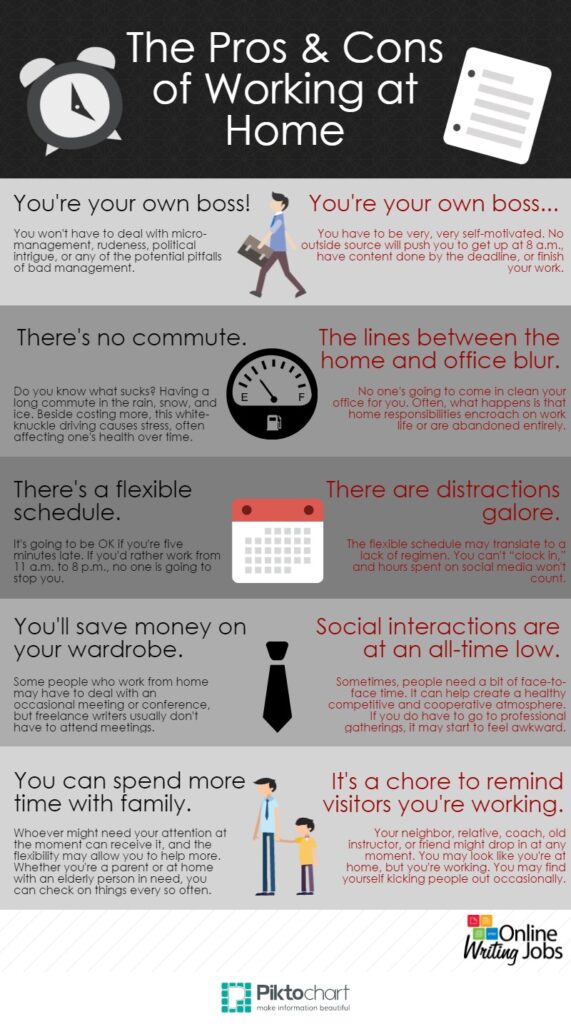
As a freelance writer, it’s easy to blur the lines between work and personal life. To avoid burnout and maintain a healthy work-life balance, prioritize self-care. Ensure you have dedicated time for relaxation, physical activity, and spending time with loved ones. Set boundaries with clients and establish clear working hours that allow you to disconnect and recharge. Remember that a rested mind and body are more productive, creative, and better equipped to handle work demands in the long run.
Tips for Success as a Freelance Writer
Becoming a successful freelance writer involves more than just having excellent writing skills. Here are a few tips that can help you thrive in this competitive industry:
Continuous Learning and Skill Enhancement
The writing industry is constantly evolving, so it’s essential to stay updated with the latest trends and techniques. Invest in your professional development by attending webinars, workshops, or taking courses relevant to your niche. Read articles and books on writing to glean insights from seasoned writers. Continuous learning and skill enhancement position you as a versatile and valuable writer in the eyes of potential clients.
Building a Solid Reputation
Building a solid reputation is crucial for long-term success as a freelance writer. Deliver high-quality work, meet deadlines consistently, and communicate professionally. Go the extra mile to ensure client satisfaction, and encourage clients to leave testimonials or reviews. A solid reputation backed by glowing recommendations will attract new clients and lead to lasting collaborations.
Diversifying Your Clientele
Relying on a single client or a limited number of clients can be risky. To mitigate this, aim to diversify your clientele. Seek opportunities in different industries, explore various writing formats, and build relationships with clients from different geographical locations. Not only does diversifying your clientele provide a steadier stream of work, but it also exposes you to new experiences and expands your professional network.
Challenges of Freelance Writing
While there are many advantages to freelance writing, it’s important to acknowledge and prepare for the challenges that may arise.
Inconsistent Income
Freelance writing income can be unpredictable, especially in the early stages of your career. Clients may not always have a consistent flow of work, and payment terms can vary. Building a financial buffer and budgeting wisely can help weather slow periods. Consider taking on long-term contracts or retainer agreements to ensure a steady income stream.
Finding Reliable Clients
Finding reliable clients can be a challenge, particularly when starting out. Not all clients may appreciate the value of your work or adhere to agreed-upon terms. Conduct thorough research on potential clients, trust your gut instincts, and be cautious of red flags. Communicate your expectations clearly from the beginning and establish boundaries. Over time, you will develop a keen eye for identifying reliable clients and build long-lasting relationships.
Dealing with Rejection
Rejection is an inevitable part of the freelance writing journey. Not every pitch or proposal will be accepted, and not every client will choose to work with you. It’s important to develop resilience and not take rejection personally. Learn from each rejection, seek feedback if possible, and use it as an opportunity for growth. Remind yourself that rejection is a common occurrence for all writers, and persistence is key to success.
In conclusion, finding freelance writing jobs requires a combination of effective job search strategies, honed skills, and the right mindset. By utilizing websites, job boards, networking, and cold pitching, you’ll be able to discover exciting opportunities. Strengthen your skills, set up a productive home office, manage your time effectively, and maintain positive client relationships to excel in the freelance writing industry. Remember to continuously update your portfolio, establish fair rates, and stay motivated and inspired. Embrace challenges as opportunities for growth, and with perseverance and dedication, you can carve out a successful career as a freelance writer.